Why AI Driven B2B Matchmaking Delivers Better Partnerships Than LinkedIn
BLUF:
LinkedIn is built for visibility. AI-driven B2B matchmaking is built for results. In 2025, businesses that want stronger partnerships, faster decisions, and lower risk are moving beyond social networking toward intelligent systems designed for real alignment.
For years, LinkedIn has been the default place for professionals to connect, share updates, and stay visible in their industry. It changed how business networking worked at a global level. But as markets have become more competitive, many companies are realizing that visibility alone does not create meaningful partnerships. Growth today depends on timing, trust, alignment, and clear business fit, not just profile views or connection counts.
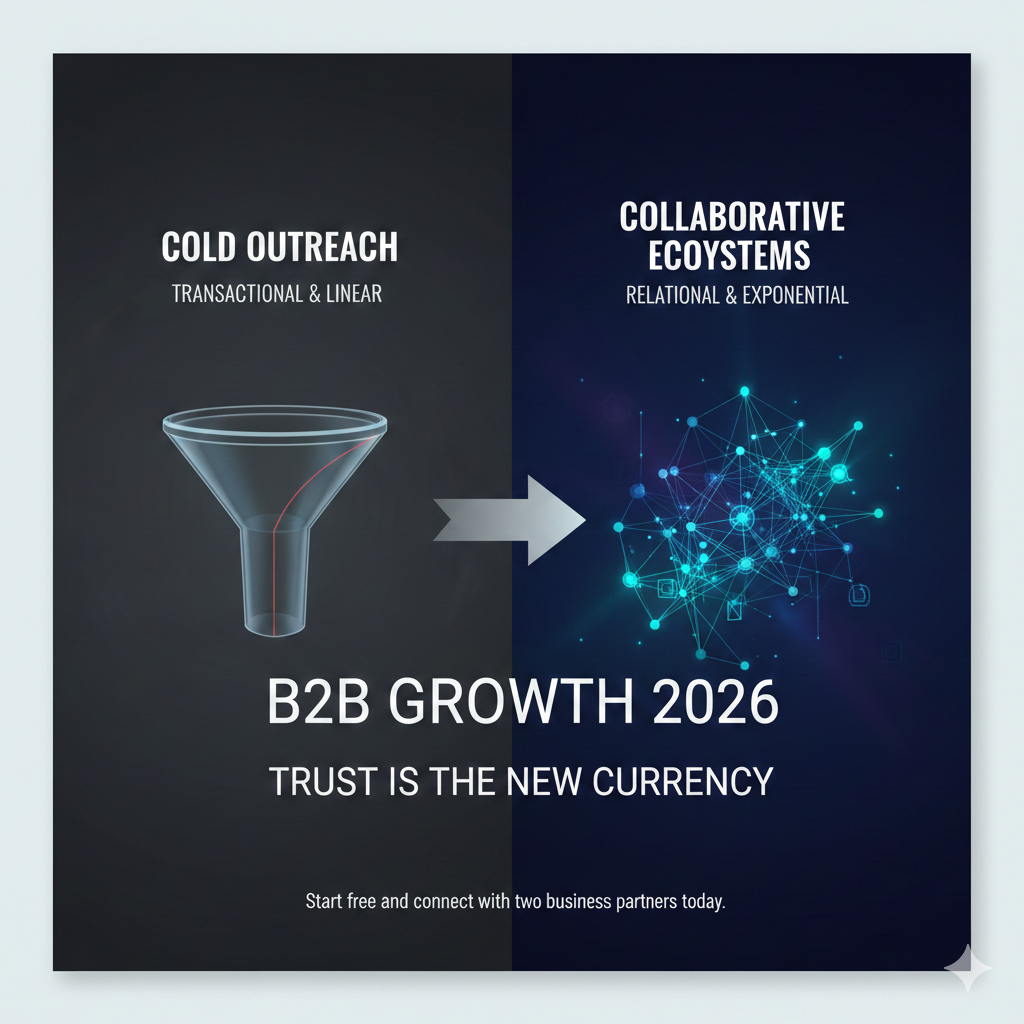
This shift is pushing businesses toward AI-driven B2B matchmaking. Instead of collecting hundreds of connections and hoping a few turn into opportunities, companies are now focused on finding a small number of partners who genuinely match their goals, capabilities, and stage of growth
Gap Between Being Visible and Being Relevant
LinkedIn excels at helping people be seen. It allows professionals to publish content, highlight experience, and stay active in their network. However, being visible does not mean being relevant. A company can have thousands of connections and still struggle to find a single partner that truly fits its needs.
Strong partnerships depend on factors that are difficult to assess through profiles and short messages. Shared goals, compatible budgets, service alignment, delivery capacity, geographic focus, and proven reliability all matter. AI-driven matchmaking focuses on these deeper signals. Instead of asking who looks impressive, it evaluates who actually fits. That difference fundamentally changes how partnerships are formed.
What Networking on LinkedIn Often Looks Like in Practice
Most businesses follow a familiar pattern on LinkedIn. They search by job title or industry, send connection requests, and wait for responses. Some requests are accepted, many are ignored, and conversations often stall without a clear next step. Even when discussions move forward, it can take weeks to determine whether there is real potential for collaboration.
LinkedIn’s algorithms are designed to increase engagement and content reach. This makes the platform excellent for personal branding and hiring, but it does little to support structured vendor discovery or strategic partnerships. Businesses are left to manually filter prospects, verify credibility, and guide conversations on their own.
This manual effort, combined with uncertain outcomes, is one of the main reasons companies are looking for alternatives.
Join now for free, invite two business partners, and start collaborating.
How AI-Driven Matchmaking Changes the Experience
AI-powered matchmaking operates on a different foundation. Instead of relying on surface-level information, it analyzes real business data. Industry focus, service demand, growth stage, engagement behavior, reputation signals, and performance history all play a role in generating recommendations.
The result is a smaller, more relevant set of potential partners. Conversations begin with context and purpose, not guesswork. Businesses spend less time chasing uncertain leads and more time building relationships that have a higher chance of long-term success.
Why Data-Driven Matching Beats Guesswork
Even experienced business leaders make decisions with limited visibility. First impressions, urgency, and incomplete information influence choices. AI reduces these blind spots by learning from large datasets across industries. It identifies patterns that humans often miss, such as which partnerships tend to perform well over time and which combinations consistently fail.
As the system learns from new interactions, its recommendations become more accurate. This is why partnerships formed through AI-driven matchmaking platforms tend to show better alignment, stronger performance, and higher satisfaction compared to those formed through traditional networking tools.
Trust Built-in From the Start
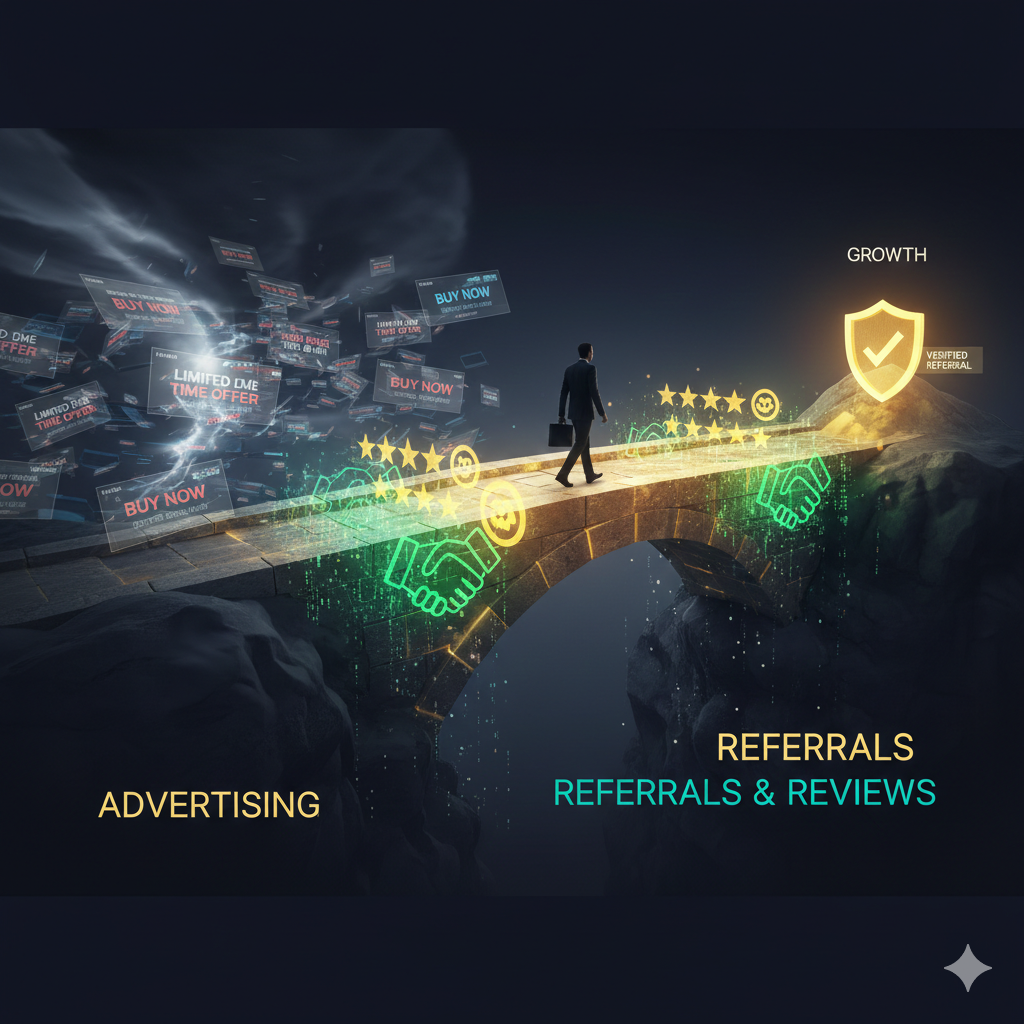
On social platforms, trust usually develops slowly. Anyone can present themselves as an expert, and real proof often comes only after working together. Intelligent matchmaking platforms change this dynamic. Reviews, ratings, collaboration history, and referral signals are built directly into the matching process.
This means businesses can evaluate credibility before the first meeting. Decisions are made with more confidence, and early conversations focus on opportunity instead of verification.
Speed as a Competitive Advantage
In 2025, speed plays a crucial role in business success. Opportunities move quickly, and delayed decisions often lead to missed revenue. Traditional networking struggles to keep up with this pace. On LinkedIn, it may take weeks of messaging to reach clarity, with no guarantee of results.
AI-driven matchmaking compresses this timeline. Discovery, evaluation, and introductions happen in hours or days. This ability to move quickly allows businesses to act while opportunities are still relevant, turning speed into a strategic advantage.
Create your free account and add two business partners to begin.
Personalization Without the Manual Work
Personalization on LinkedIn is entirely manual. Every search, message, and evaluation requires time and effort. As businesses grow, this approach becomes difficult to sustain. AI-driven systems personalize continuously in the background. They adapt to changing needs, learn from behavior, and refine recommendations automatically.
For growing teams, this reduces effort while improving outcomes. Networking becomes a supporting system rather than a daily task.
How Stronger Partnerships Create Compounding Growth
When partnerships begin with true alignment, the benefits build over time. Communication improves, expectations stay realistic, and delivery becomes more efficient. Successful collaborations naturally lead to referrals and repeat opportunities, strengthening the surrounding business ecosystem.
This compounding effect is why many companies now prefer structured, intelligent networking platforms over unfiltered social environments.
Where LinkedIn Still Fits
LinkedIn continues to play an important role in visibility, recruitment, and thought leadership. These functions remain valuable. What the platform is not designed for is precise business matchmaking. It provides exposure, not optimization.
For businesses serious about partnership development, relying on LinkedIn alone often results in inconsistent outcomes and heavy manual effort. Intelligent matchmaking systems are designed specifically to solve this problem.
Conclusion
What This Shift Means for Modern Businesses
As competition increases, choosing the right partners becomes more crucial. AI-driven matchmaking replaces uncertainty with insight and mass outreach with precision. Businesses that adopt these systems move faster, reduce risk, and build more stable growth.
Platforms like My Open Guild support this shift by combining AI-driven matching with structured communities, visible trust signals, and scalable networking tools. Instead of searching blindly, businesses connect with partners that align from the start.
Call to Action
If you’re ready to move beyond manual networking and build partnerships that actually support growth, now is the time to explore intelligent matchmaking.
Join free and invite two business partners to get started: https://myopenguild.com/signup.